
🏠 The Importance of Having a Positive Lap in Roofing Materials
- nitychorukarlen
- Nov 11, 2025
- 2 min read
What Is a Positive Lap?
A positive lap occurs when the upper piece of roofing material overlaps the lower piece in a way that directs water away from the structure, not under it. In simple terms, water should always flow over the lap, never into it. This concept is essential in keeping your roof watertight.
Think of it like shingles on a house or feathers on a bird — each layer overlaps the next so that rain naturally flows off rather than seeping in.

💧 Why It Matters
Prevents Water Intrusion
Without a proper positive lap, water can find its way beneath the roofing materials, leading to leaks, rot, mold, and insulation damage. A well-installed lap ensures that moisture runs off efficiently, protecting the layers underneath.
Extends Roof Lifespan
Roofs with correct laps last longer because they’re less exposed to trapped water or freeze-thaw cycles that cause cracking and corrosion over time.
Improves Energy Efficiency
When roofing materials stay dry, insulation performs better. A roof that resists water infiltration helps maintain indoor temperature stability and reduces energy costs.
Prevents Costly Repairs
Fixing water damage from improper laps can be far more expensive than installing them correctly from the start. Proper overlapping during installation saves both time and money in the long run.
Video explaining the process of how to repair this negative lap without pulling up the roofing material. 
Photo of proper repair where flashings and roofing materials are used together to create a positive lap. 🛠️ Common Mistakes to Avoid
Reversing the Lap: Always ensure the upper material overlaps the lower one, not the other way around.
Inadequate Overlap: Follow manufacturer guidelines for lap width — too narrow and water can creep in.
Improper Sealing: For materials like metal roofing or membranes, sealants or fasteners must be applied properly to maintain a watertight lap.
✅ Best Practices for a Positive Lap
Start installation from the bottom up so each layer covers the one beneath it.
Check alignment frequently to avoid gaps or misdirected water flow.
Always install according to the roofing manufacturer’s specifications for overlap measurements.
Inspect laps during regular roof maintenance — especially after storms or heavy snow.

Photo of proper seal on positive lap to avoid moisture wicking underneath. 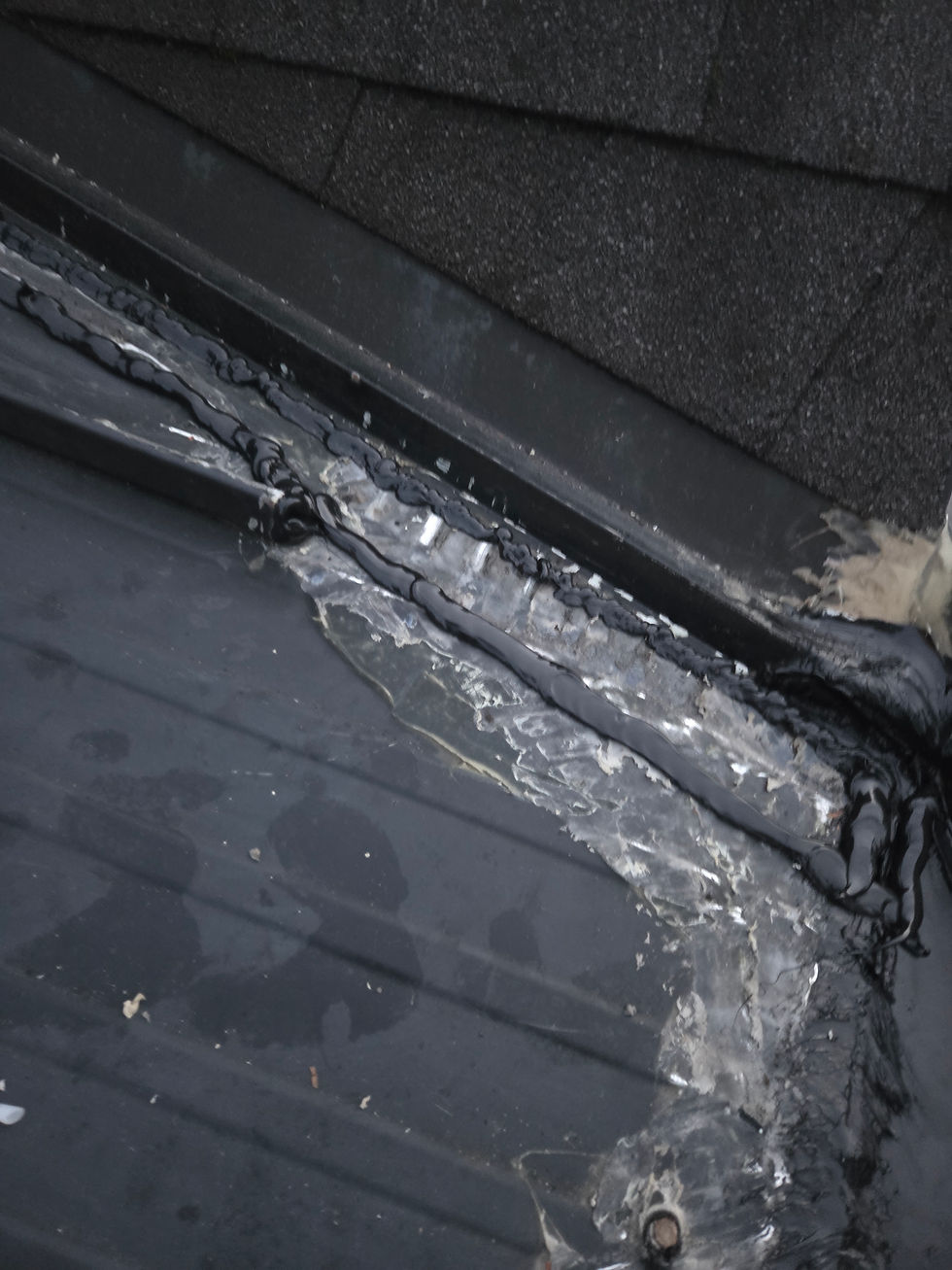
Photo of proper under sealant when laying any roofing flashing down 
Photo of finished positively lapped roof valley flashing onto lower roofing material. 🌦️ The Bottom Line
A roof is only as good as its weakest point — and an improper lap can quickly become that point. Ensuring every joint, seam, and overlap is correctly placed and sealed is one of the simplest yet most effective ways to guarantee your roof performs as intended for years to come.
Whether you’re a homeowner overseeing a project or a contractor on the job, remember: a positive lap is a positive step toward a longer-lasting, leak-free roof.

Photo of proper positively lapped roofing materials.


Comments